


Safe & Effective Ear Care Services
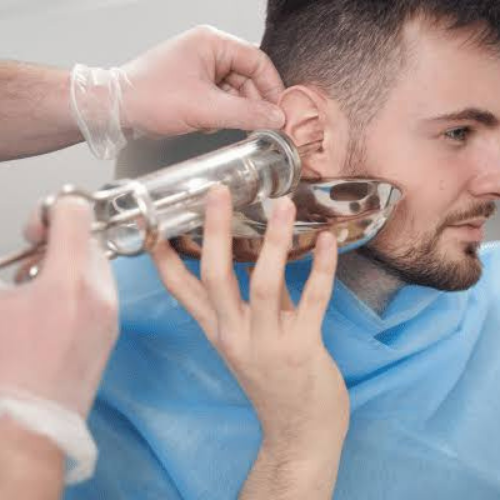
Ear syringing is a safe and effective treatment for patients experiencing symptoms caused by excess ear wax. If you're noticing blocked or reduced hearing, a feeling of fullness in the ear, tinnitus, discomfort, or issues with hearing aids due to wax buildup, your GP will first assess whether ear syringing is the most appropriate option. This ensures the procedure is both safe and effective for your individual circumstances.

Ear wax (cerumen) is normal and protective — but when it builds up and becomes impacted, it can cause muffled hearing, tinnitus, ear fullness, itching, and discomfort. Ear syringing uses warm water irrigation to flush out impacted wax safely and effectively. The procedure is performed by our nursing team after a GP or nurse assessment confirms syringing is appropriate. We always recommend softening the wax for 3–5 days beforehand with olive oil or commercial ear drops — this significantly improves the effectiveness of the procedure and reduces the need for repeat visits.
Safe warm water irrigation performed by trained nurses
GP or nurse assessment confirms suitability before proceeding
Not performed if you have a history of eardrum perforation or ear surgery
Pre-softening with olive oil recommended for 3–5 days beforehand
Both ears can usually be treated in a single appointment
Referral to ENT arranged if wax is particularly impacted
Clear Ears, Better Hearing — In a Single Appointment
Blocked ears caused by wax buildup are one of the most common and easily fixed conditions we see. Our team provides safe, effective ear irrigation — usually in a single visit.
Post-Procedure Check
Your ear canal and eardrum are examined after irrigation to confirm clearance. Aftercare advice is provided, and further softening or a follow-up session arranged if needed.
Irrigation
Warm water is delivered gently into the ear canal using a syringe or electronic irrigator, flushing the wax out. The procedure takes 10–15 minutes and is generally comfortable.
Assessment
A GP or nurse examines your ear canal to confirm wax is present, rule out infection or perforation, and confirm that irrigation is the right approach for you.

What to Expect During Your Visit
